UNESCO World Heritage Site
Heritage & UNESCO
A monument of outstanding universal value
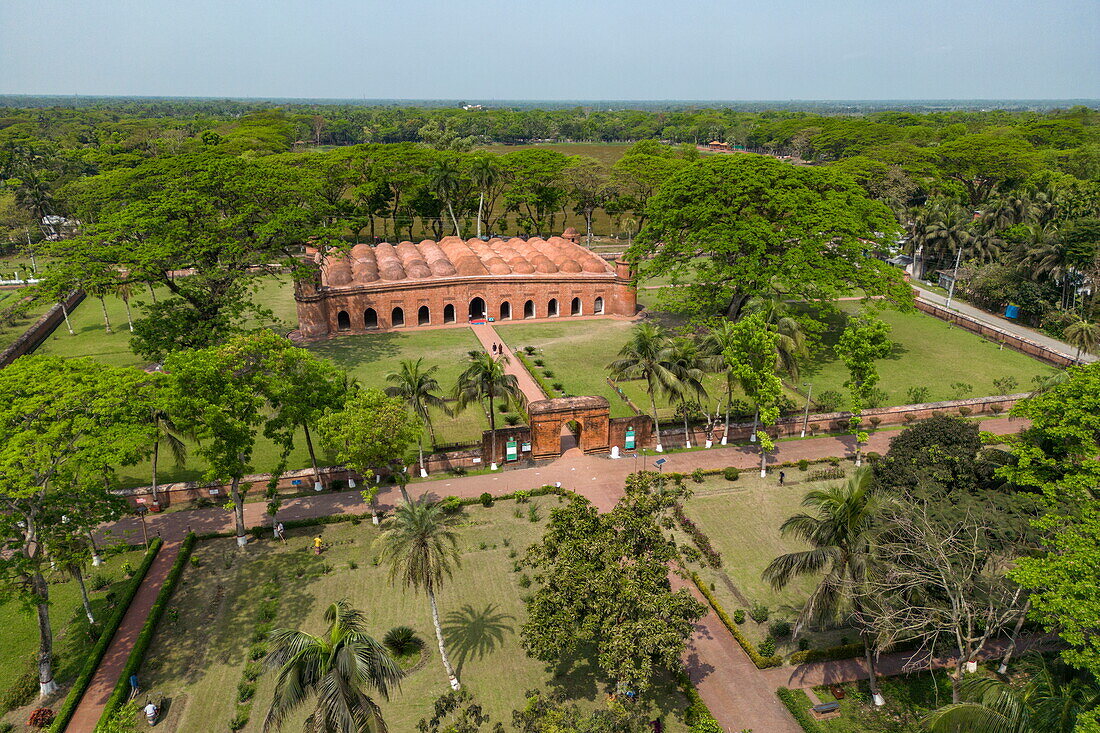
The Historic Mosque City of Bagerhat is an ancient urban complex built by Khan Jahan Ali in the 15th century. Located at the confluence of the Ganges and Brahmaputra rivers, this settlement included over 360 mosques, mausoleums, bridges, roads, reservoirs, and other public buildings.
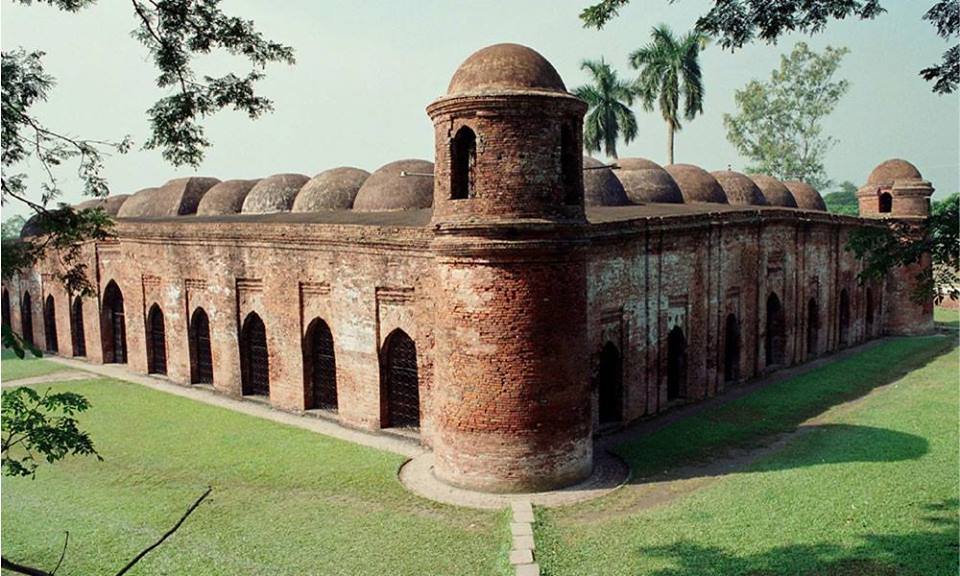
The Sixty Dome Mosque is the crown jewel of this extraordinary urban ensemble, which represents one of the most ambitious and well-planned medieval cities in South Asia.
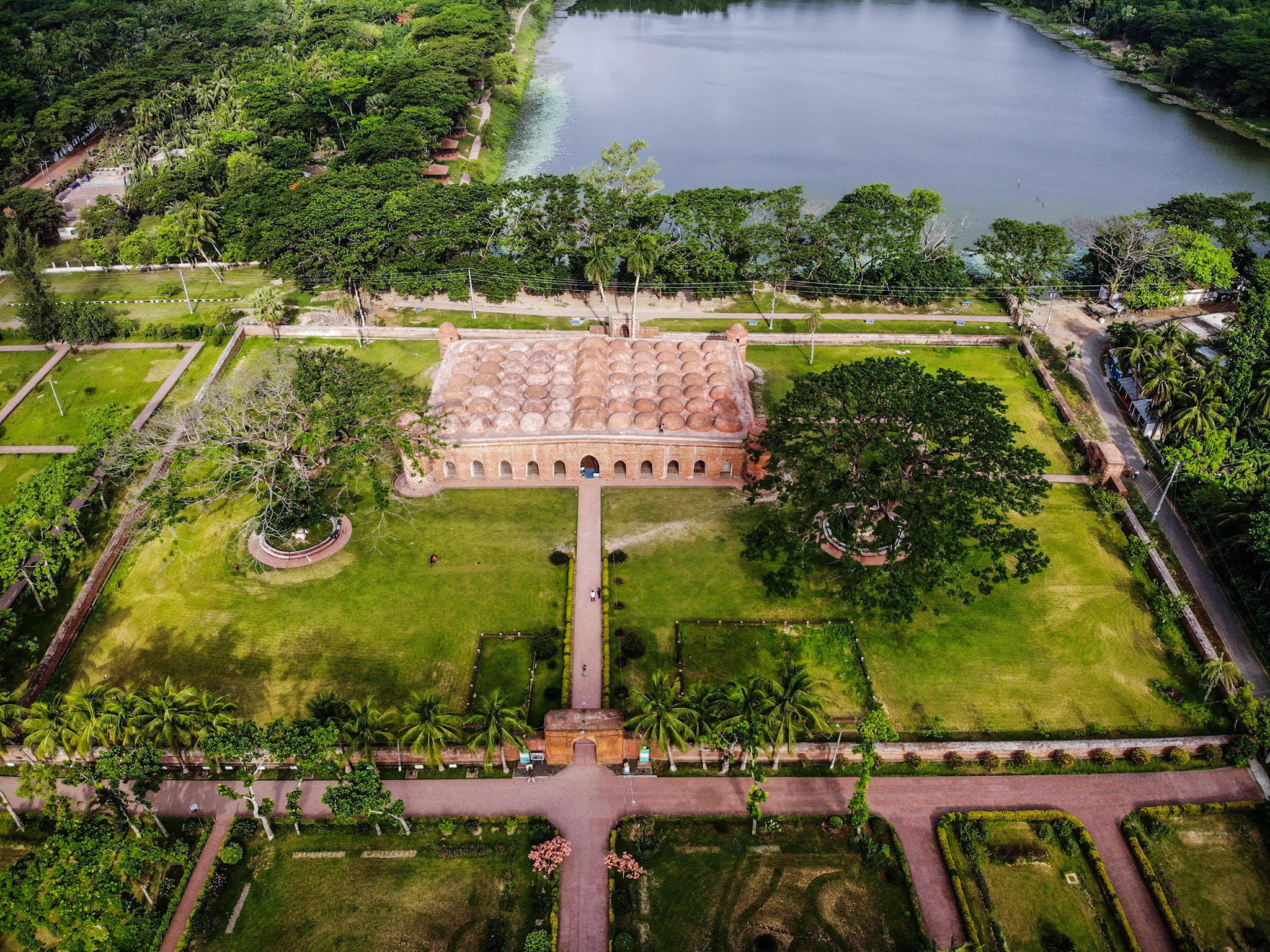
In 1985, UNESCO inscribed the Historic Mosque City of Bagerhat as a World Heritage Site under criteria (i) and (iv), recognizing it as:
A masterpiece of human creative genius — The Sixty Dome Mosque represents an outstanding example of the fusion of Islamic and local Bengal architectural traditions.
An outstanding example of architectural ensemble — The mosque city illustrates a significant stage in human history, demonstrating the spread of Islam in Bengal.
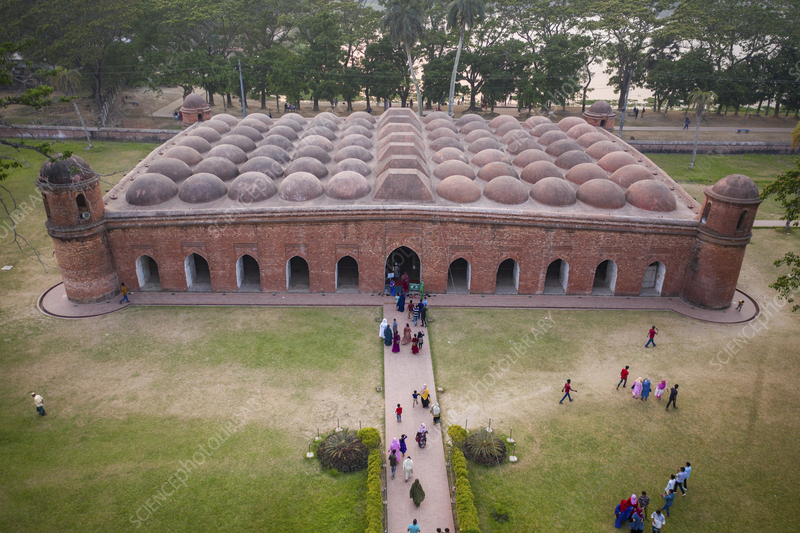
Khan Jahan Ali's city planning was remarkably advanced for its era. He constructed an integrated infrastructure system including roads, bridges, water management systems (tanks and reservoirs), and religious and civic buildings — all following principles of Islamic urban design adapted to the challenging deltaic environment.
The mosque city stands as a powerful symbol of the spread of Islamic civilization in South Asia, demonstrating how Islamic culture was adapted and localized in the Bengal delta region. It provides invaluable insights into medieval Muslim society, governance, architecture, and urban planning.
The preservation of the Sixty Dome Mosque and the broader mosque city is overseen by the Department of Archaeology of Bangladesh, with support from UNESCO and various international conservation organizations. Ongoing efforts include structural stabilization, drainage management, vegetation control, and documentation of the terracotta ornamentation.
Climate change poses an increasing threat, as rising sea levels and increased salinity could affect the structural integrity of the brick and stone construction.